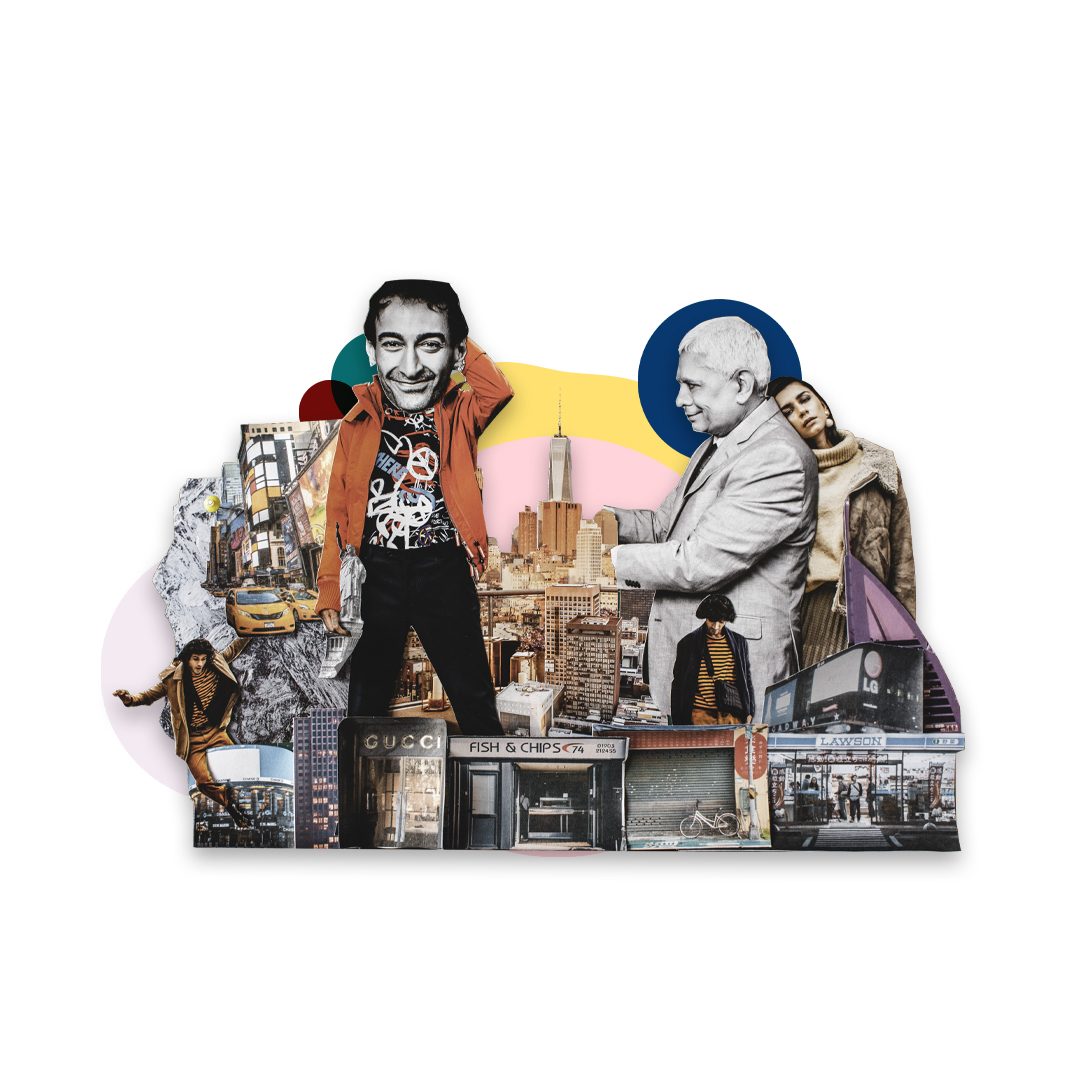
A Personal Piece of Earth
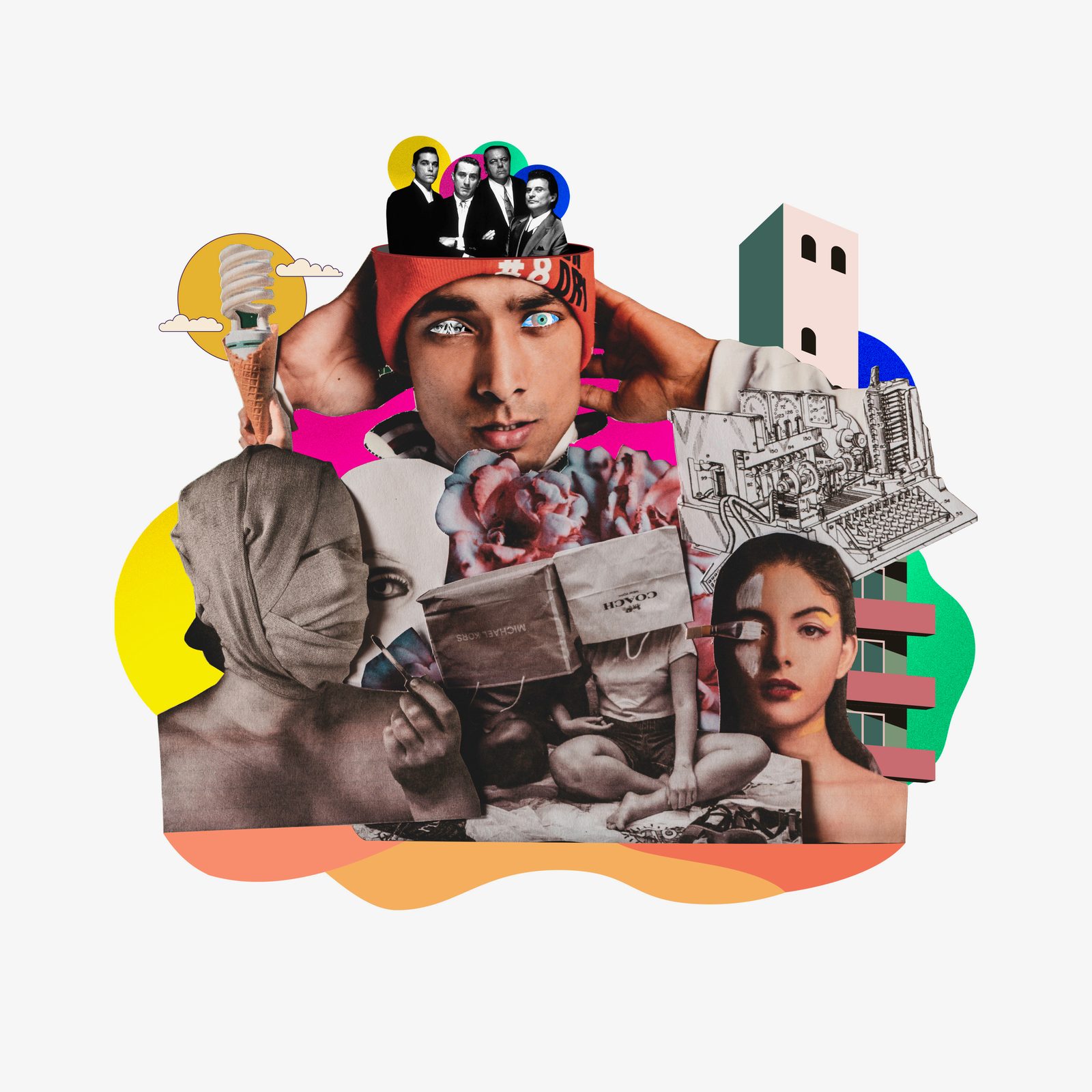
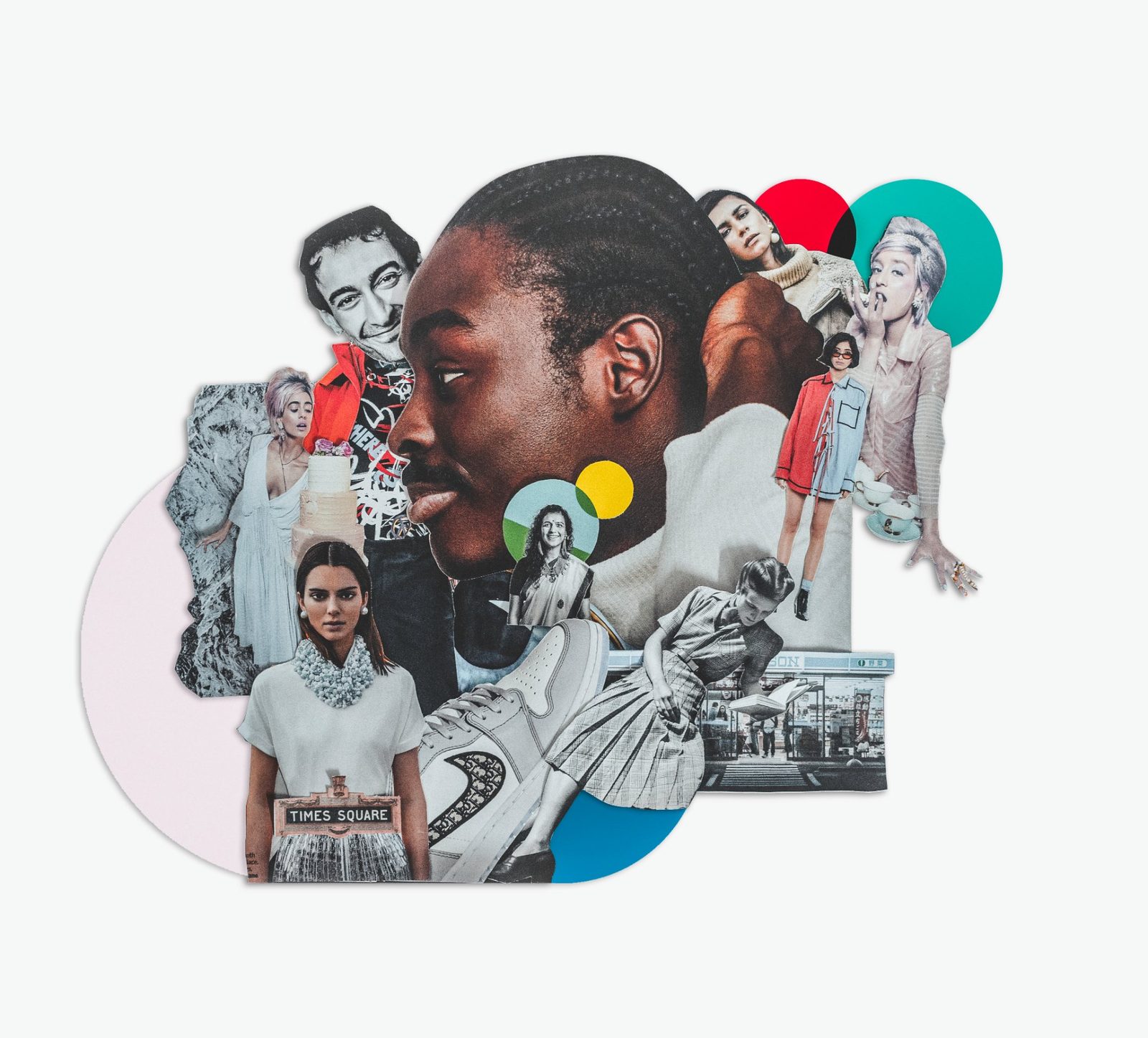
I kept cutting whatever caught my attention with an X‑Acto knife, and arranging it by hand on a green cutting mat. There was no final destination in mind.
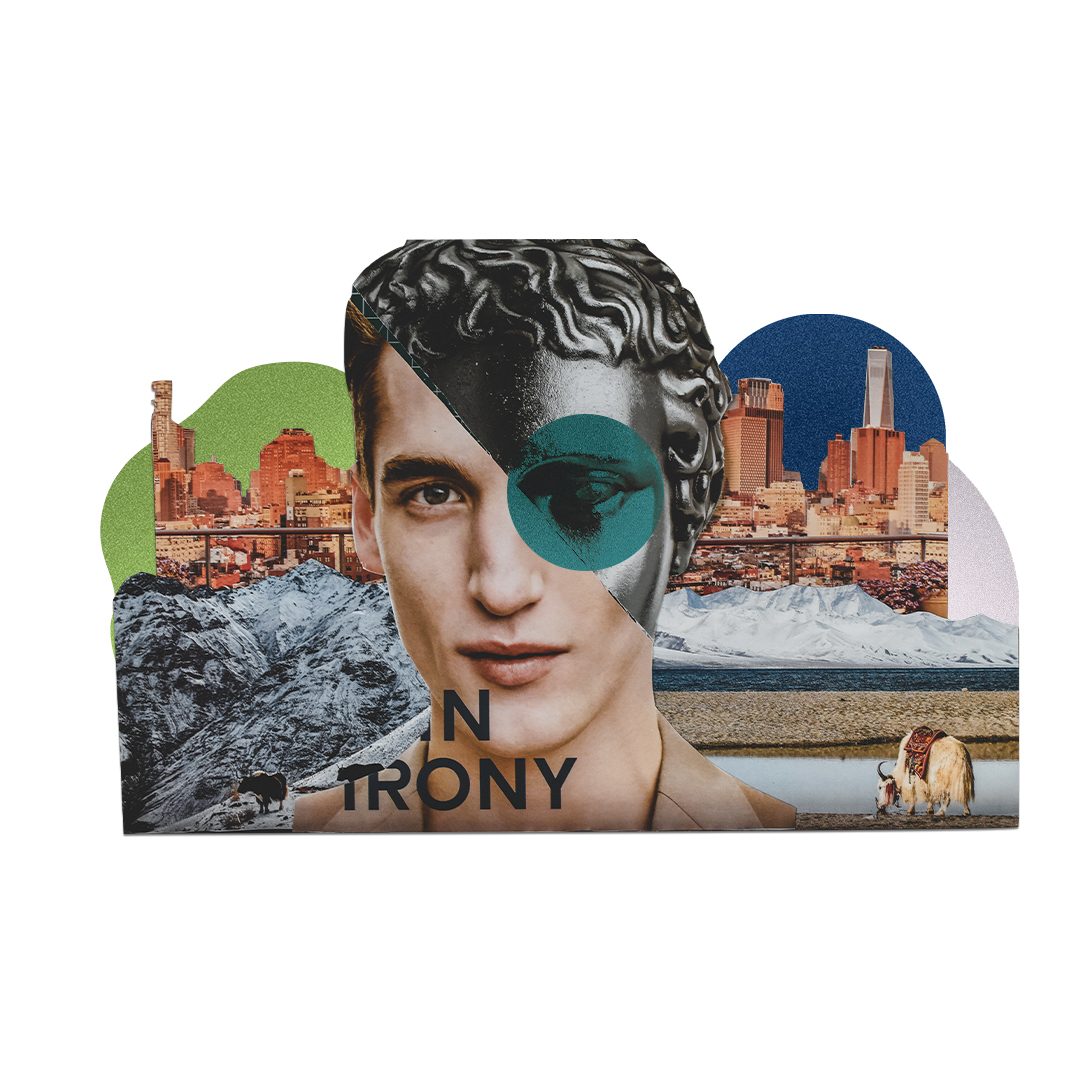
I was learning about design then. This was how the early designers worked — so I worked the way they did. Researching, studying a lot of artists and illustrators, and, I’m sure, stealing like an artist from one or two of them. What I loved was the play of scale, and the surreal that came out of it.
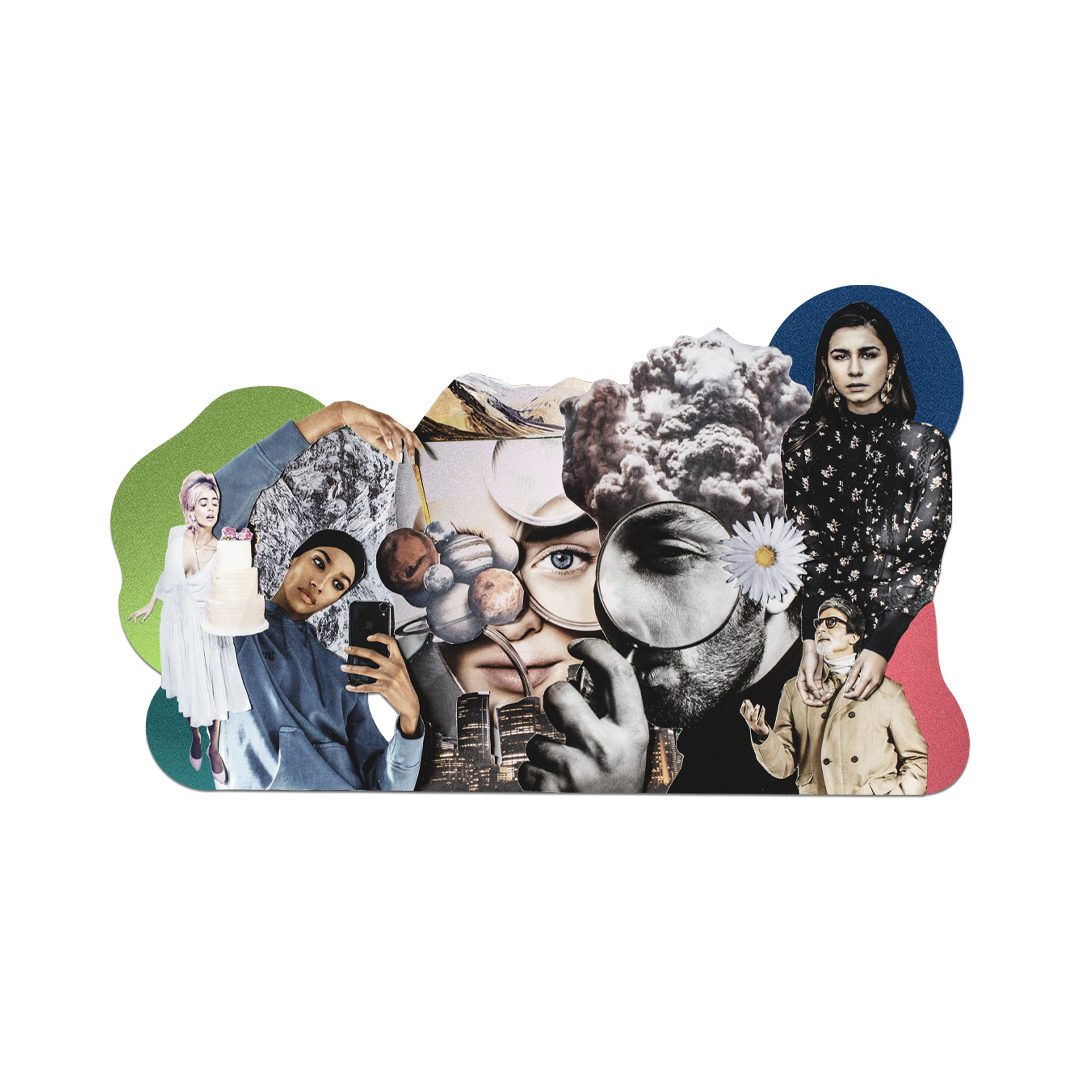
These were the days of the pandemic — as surreal as any moment I’ve lived. And if that could somehow make sense, then so could these: images torn from their context and rearranged, until they begin to hold an emotion of their own.
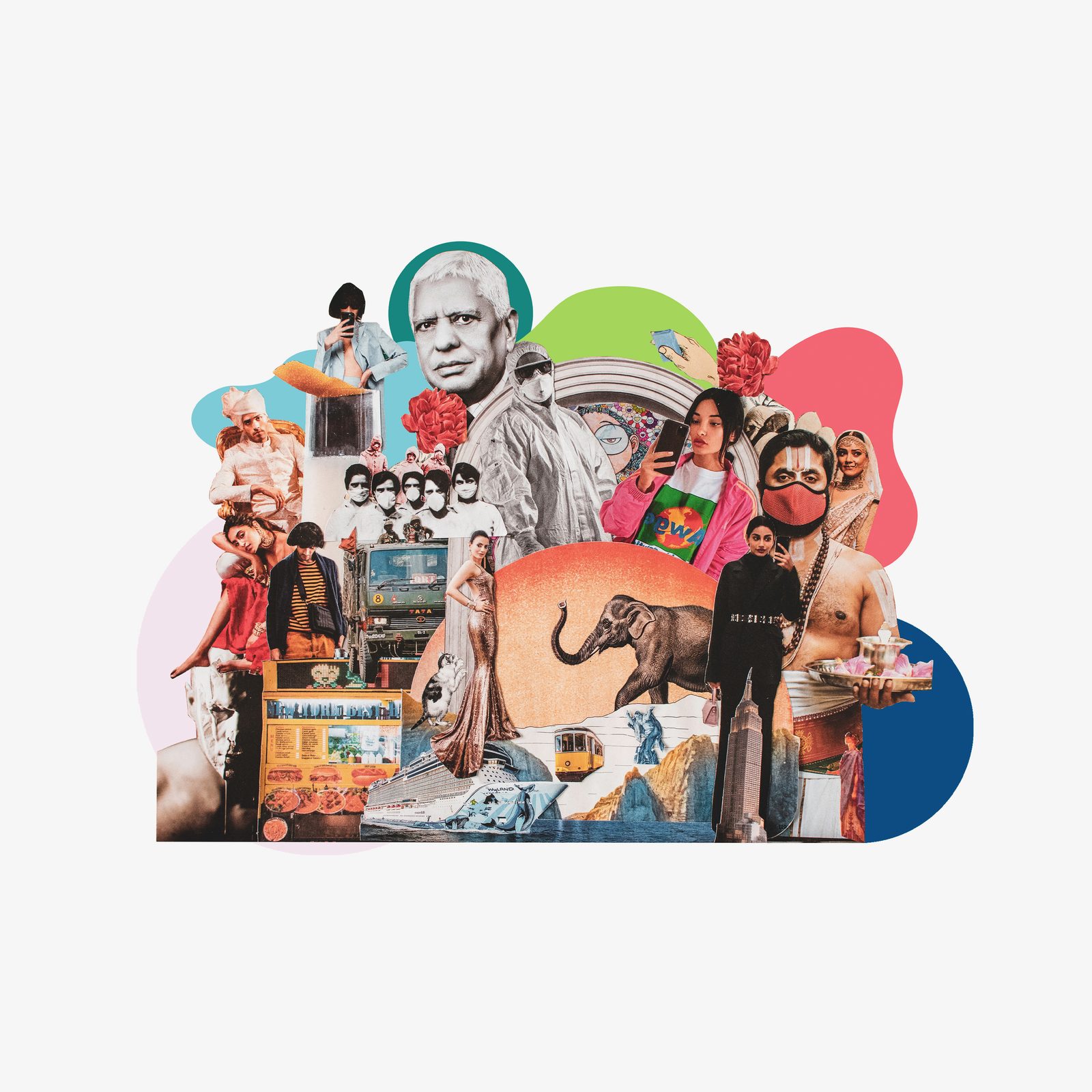
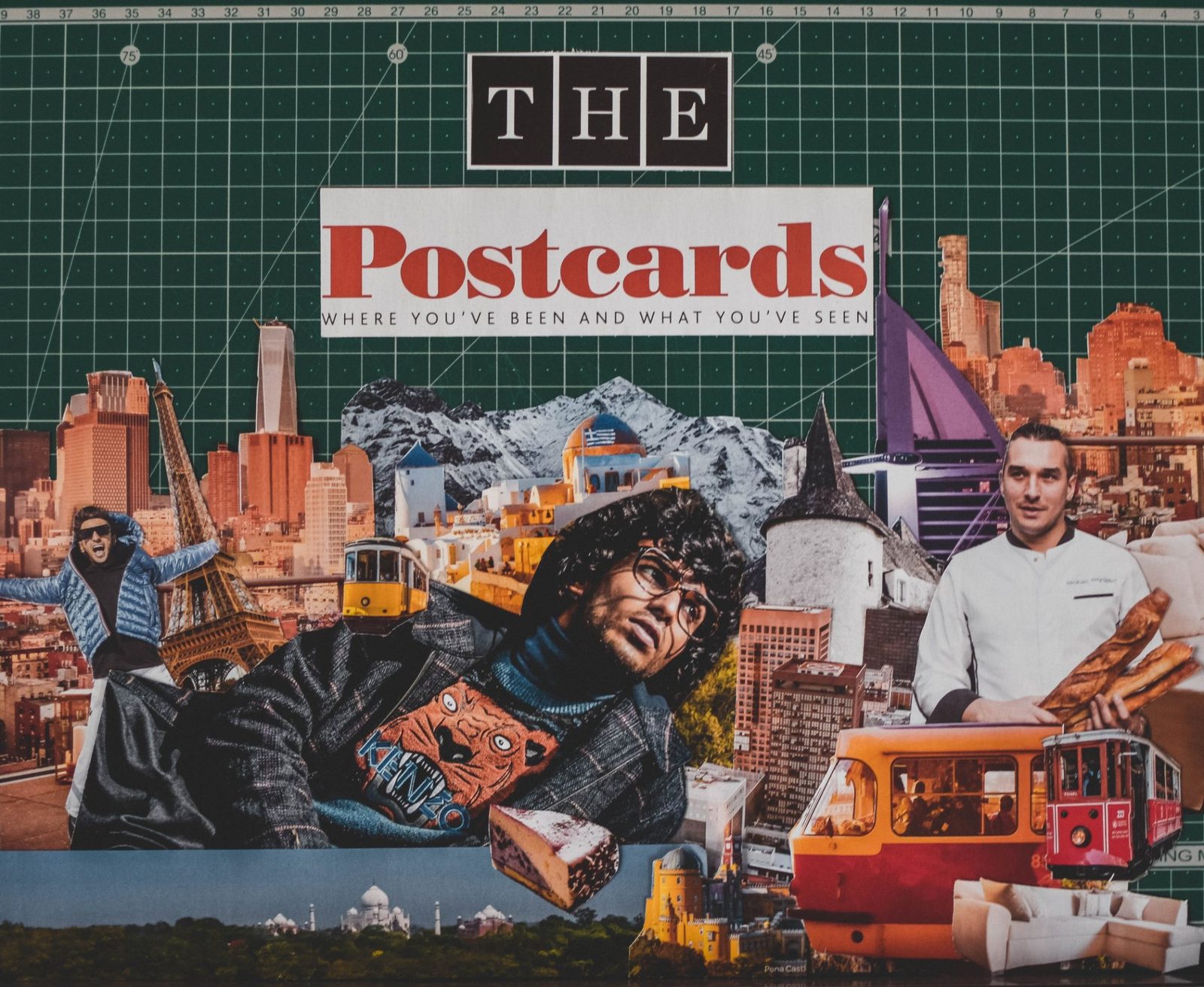
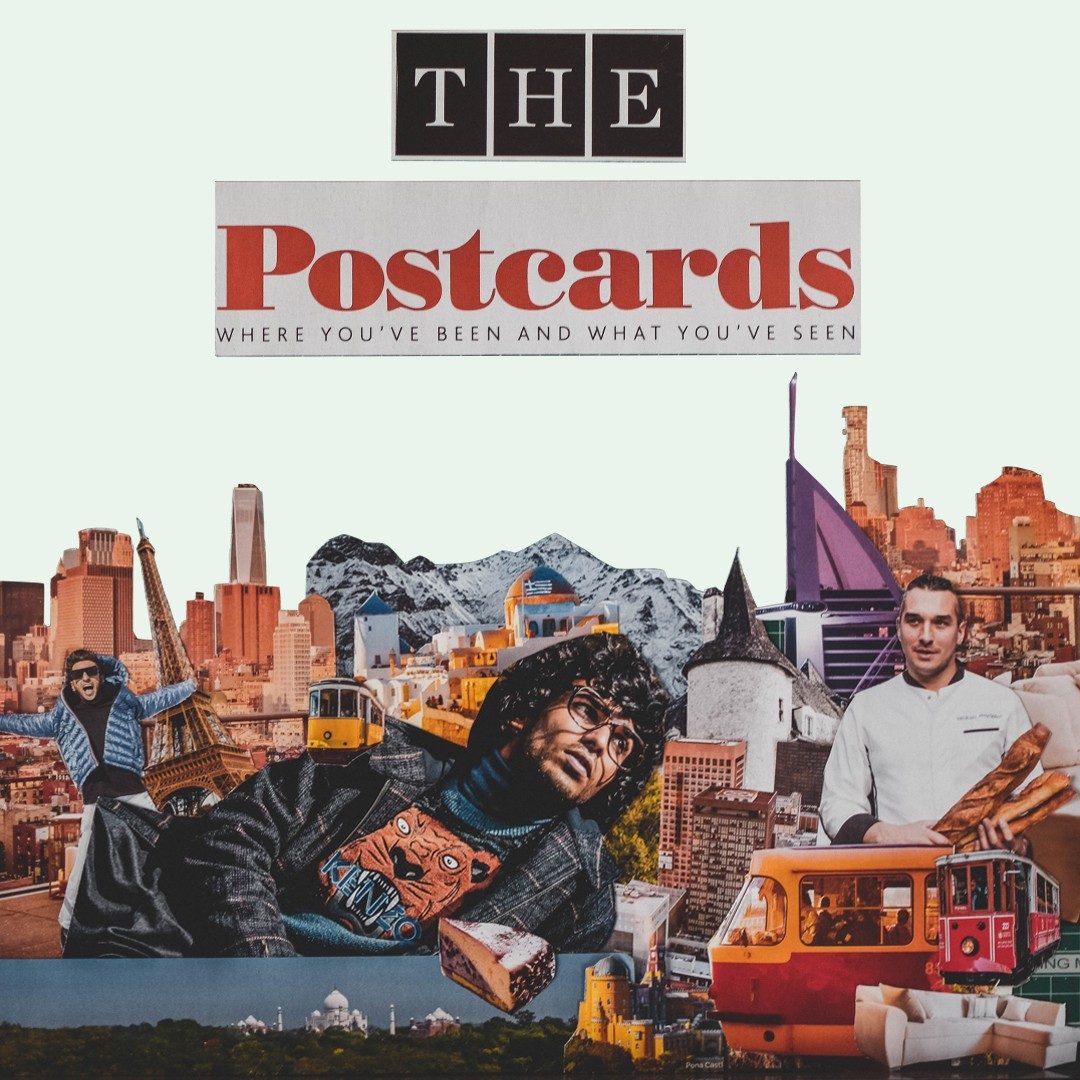
There was no final destination in mind. I just kept cutting — a face here, a building there, an elephant, a bus, a flower — laying the pieces down, lifting them, moving them, until the arrangement felt true. Then I’d photograph it and take it into Photoshop to finish.
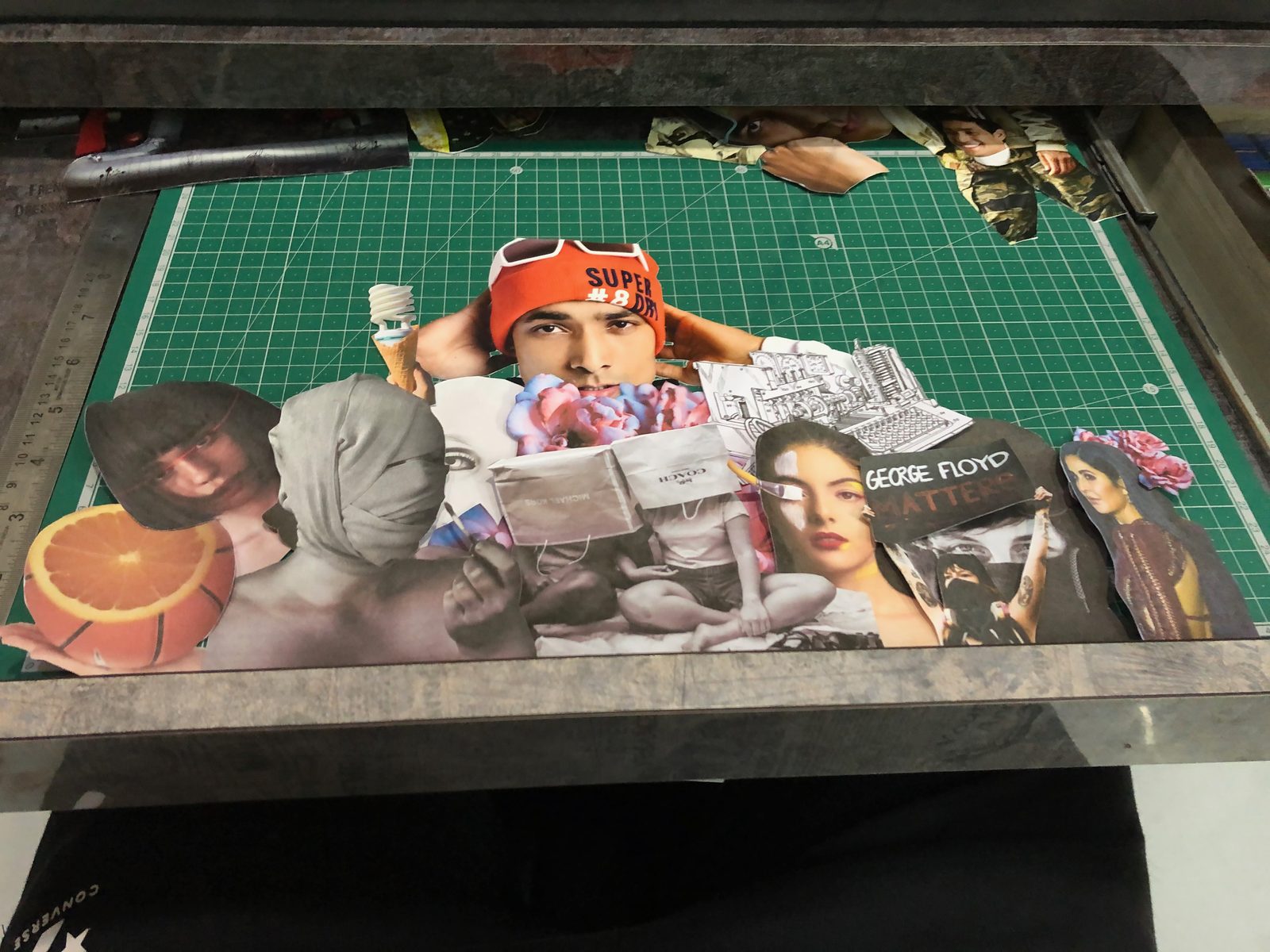
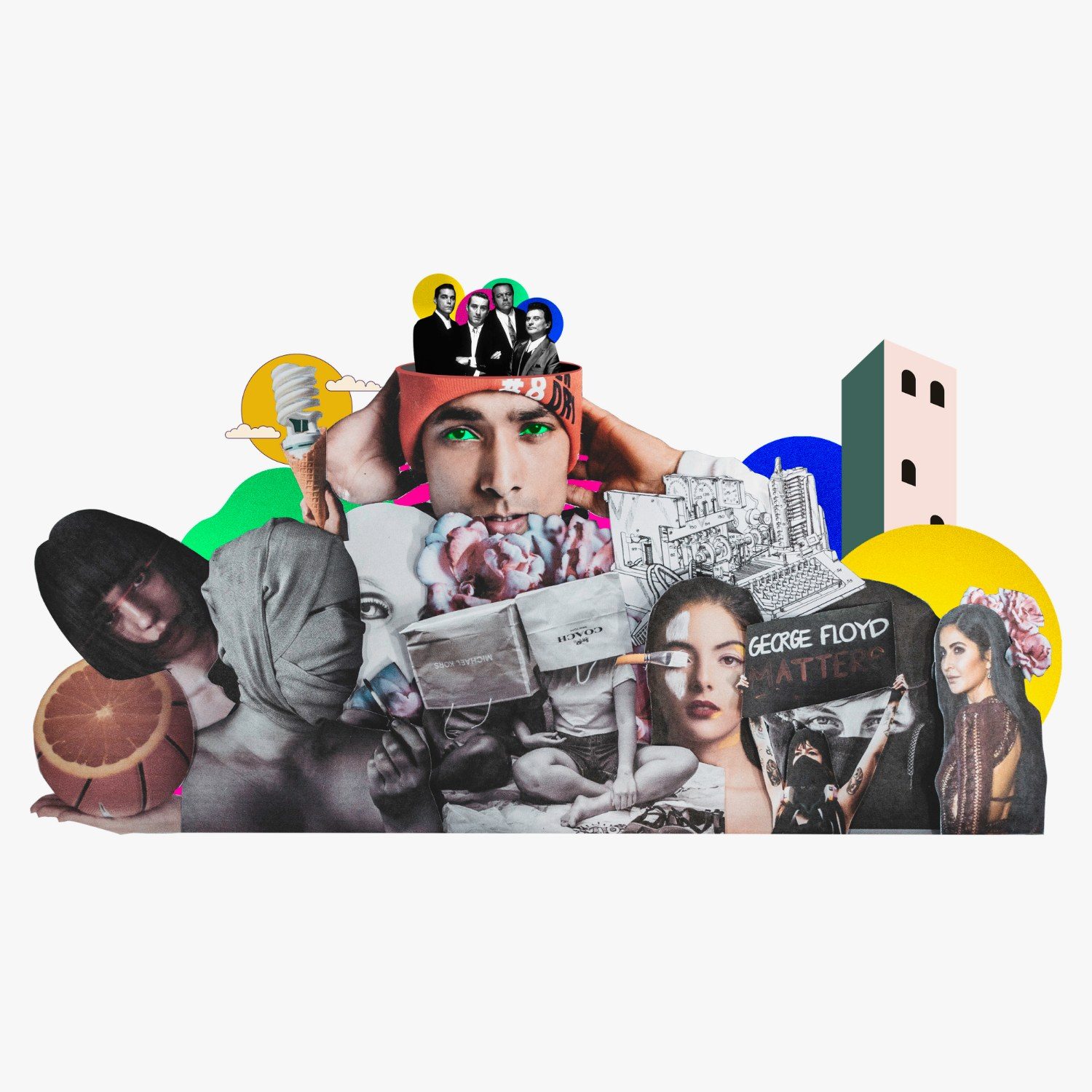
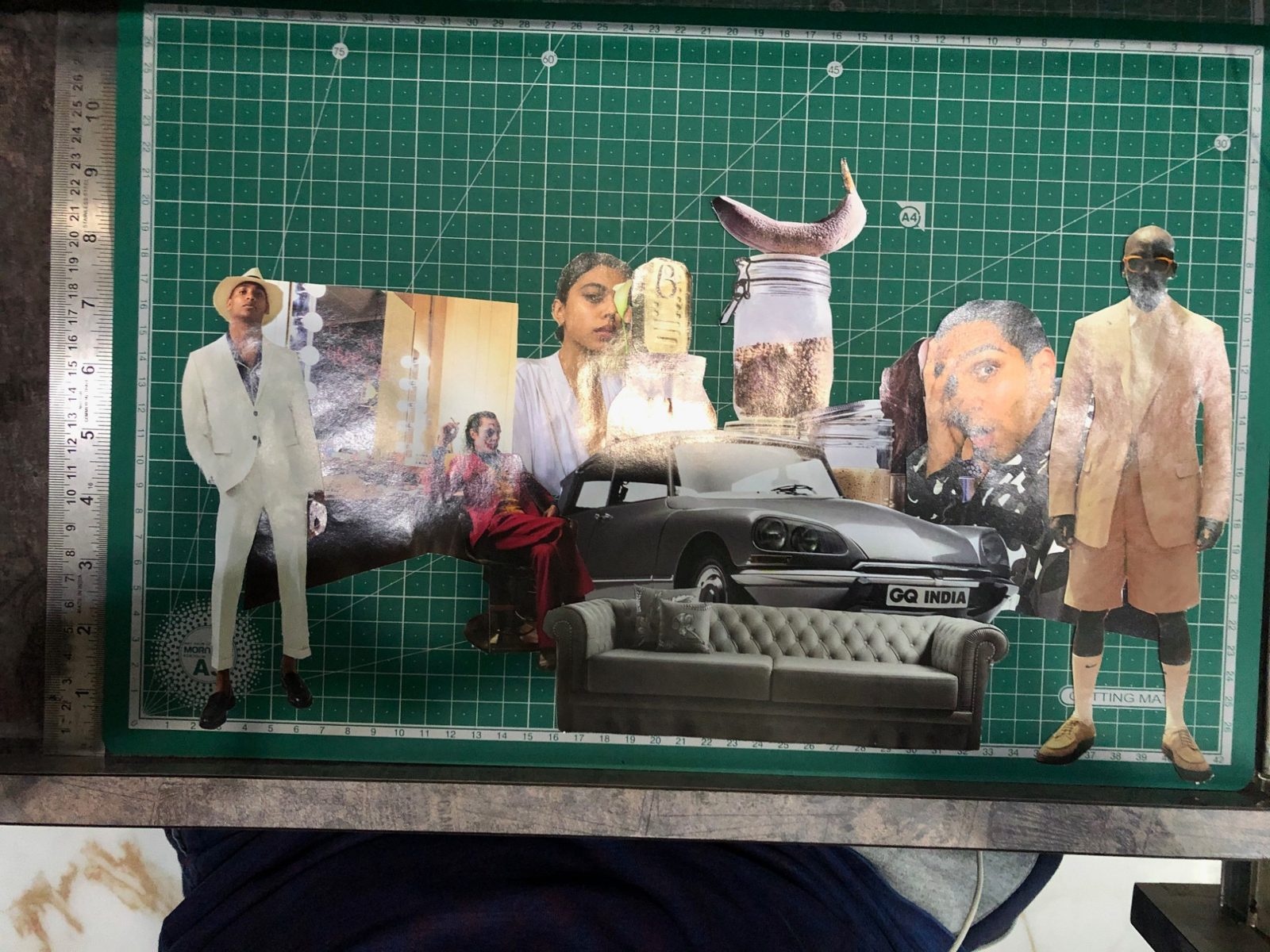
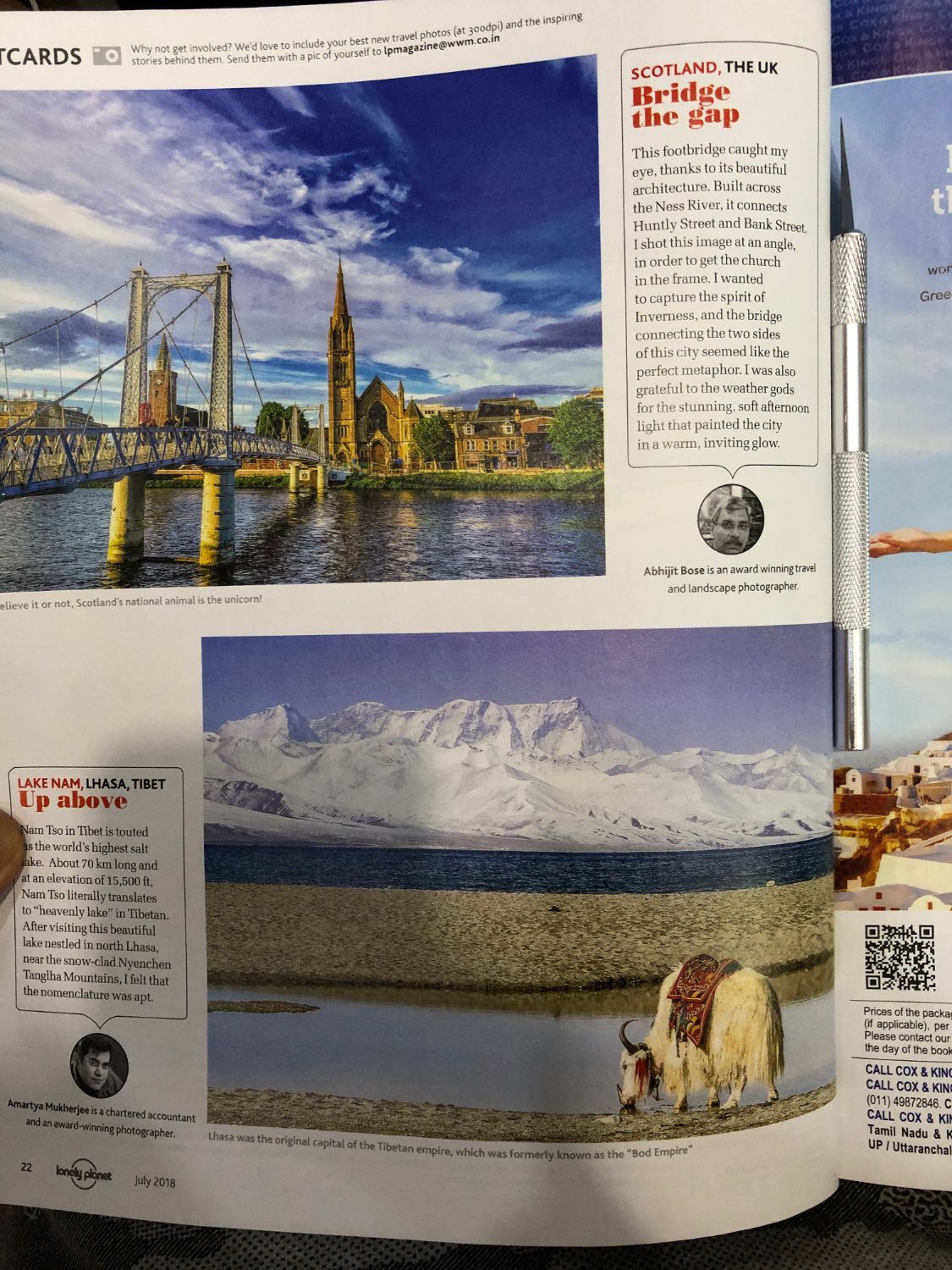
Every figure began as someone else’s photograph — a glossy ad, a travel feature, a cover. I cut them out of their old lives and gave them new ones. A few of the originals:
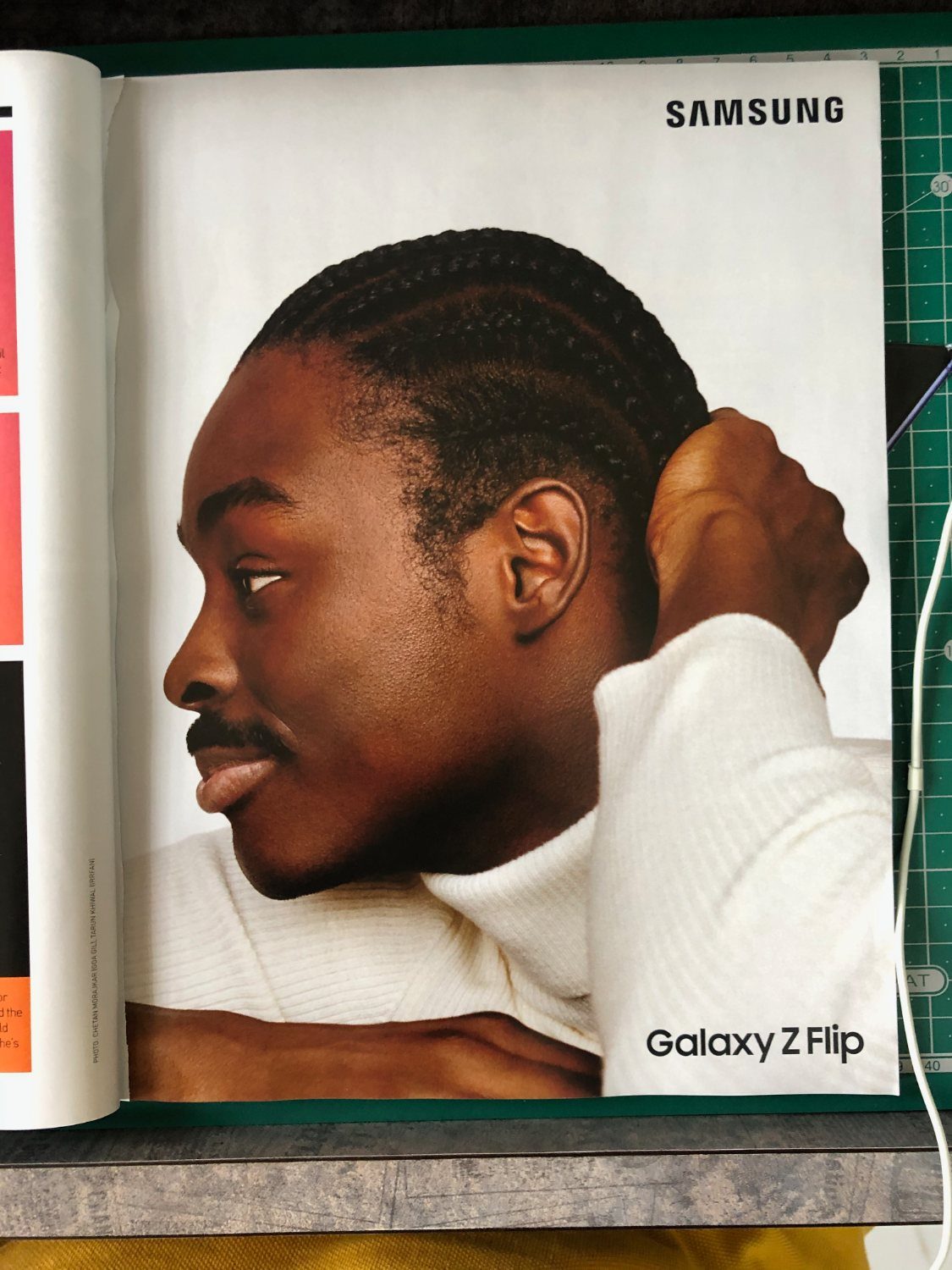
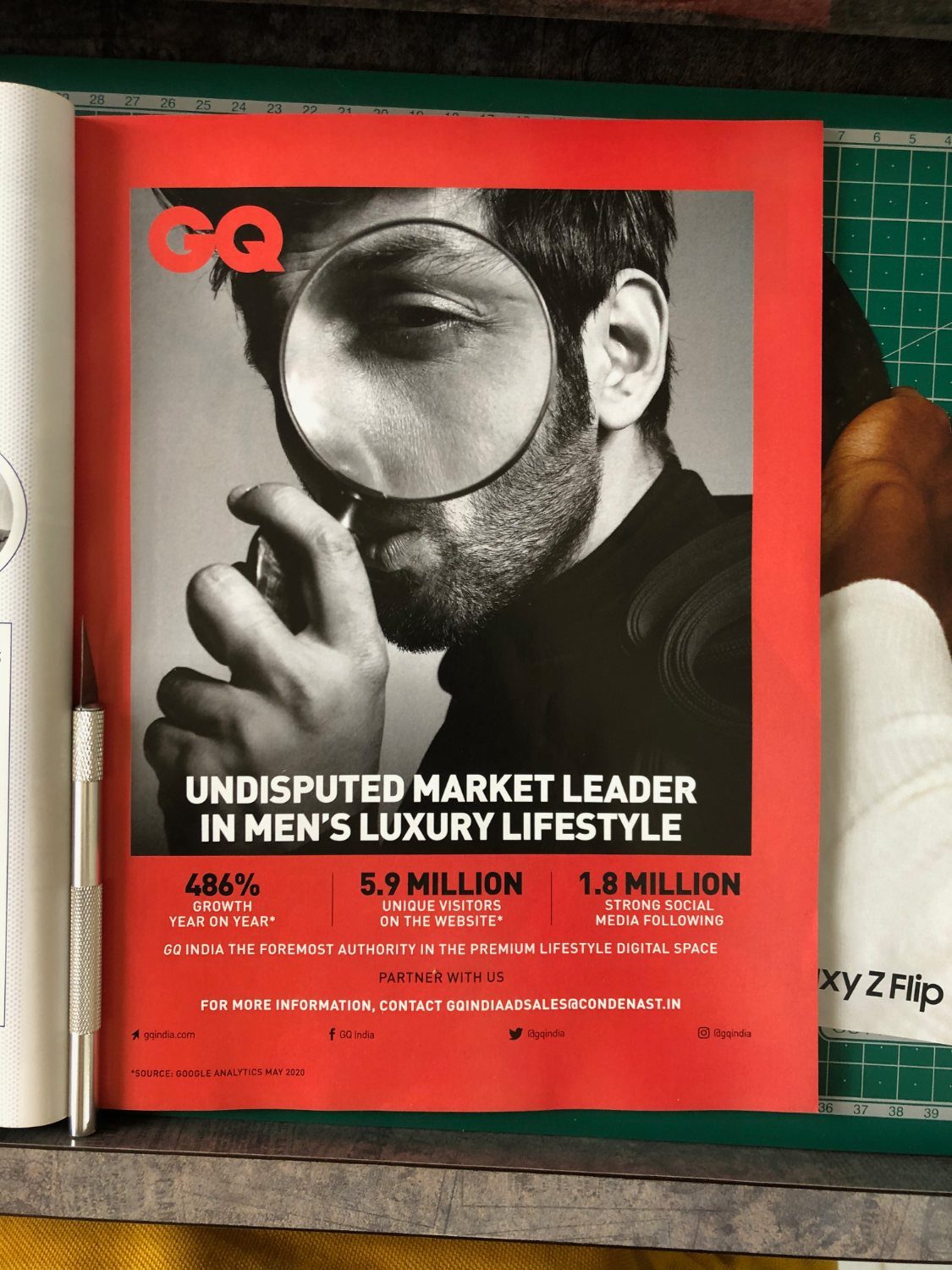
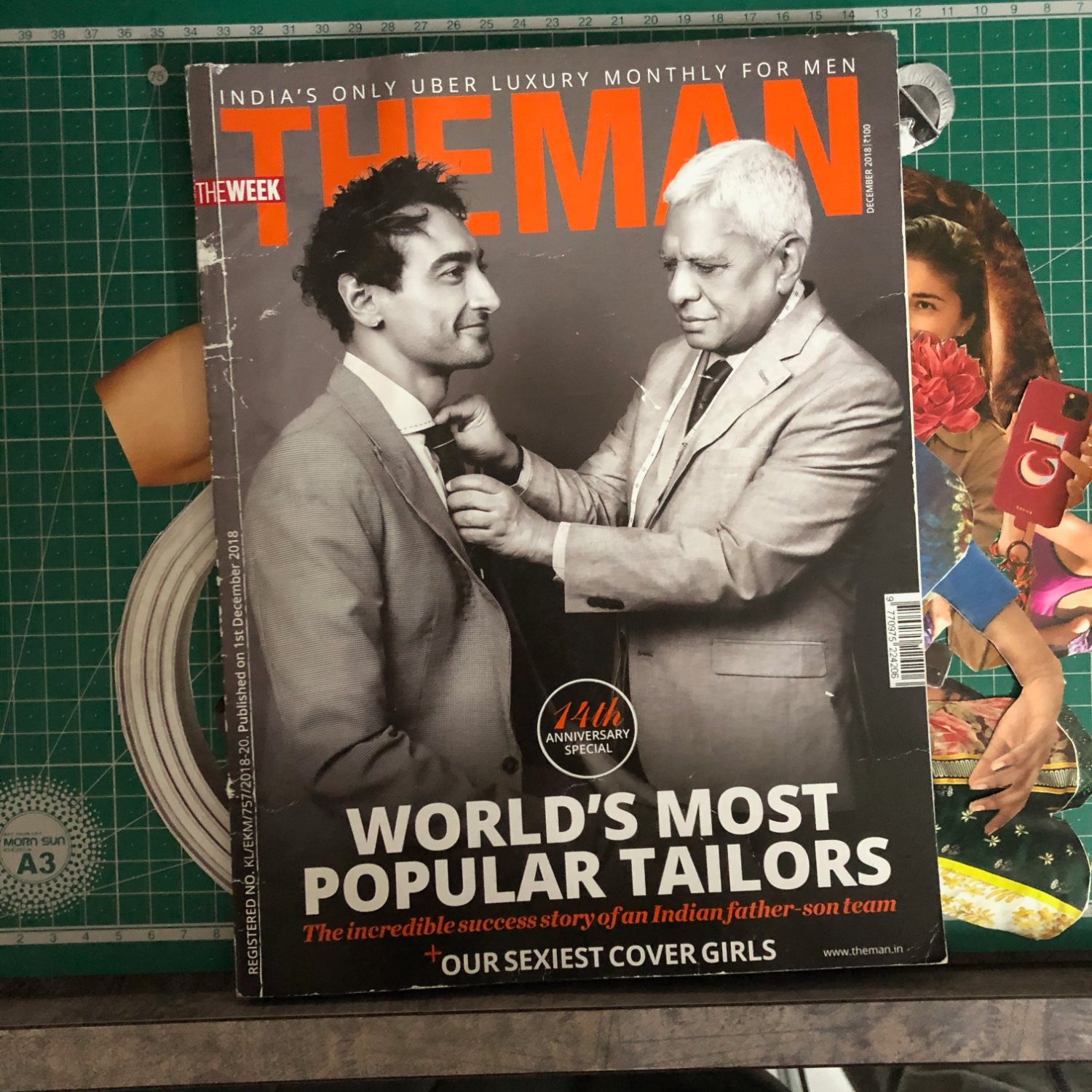
And I remember now: this wasn’t the first time. My first‑grade science books met a similar fate.
There’s a legend that in some cultures the camera was thought to steal a sliver of the soul. As a child I believed something close to it — that if I tore out the picture of the Earth, the one with the diagram of the crust, I would somehow be holding my own personal piece of Earth.
(And in case you’re wondering which five‑year‑old is busy dismantling diagrams of the planet — I was an ICSE kid, hopelessly fascinated by science and space.)